
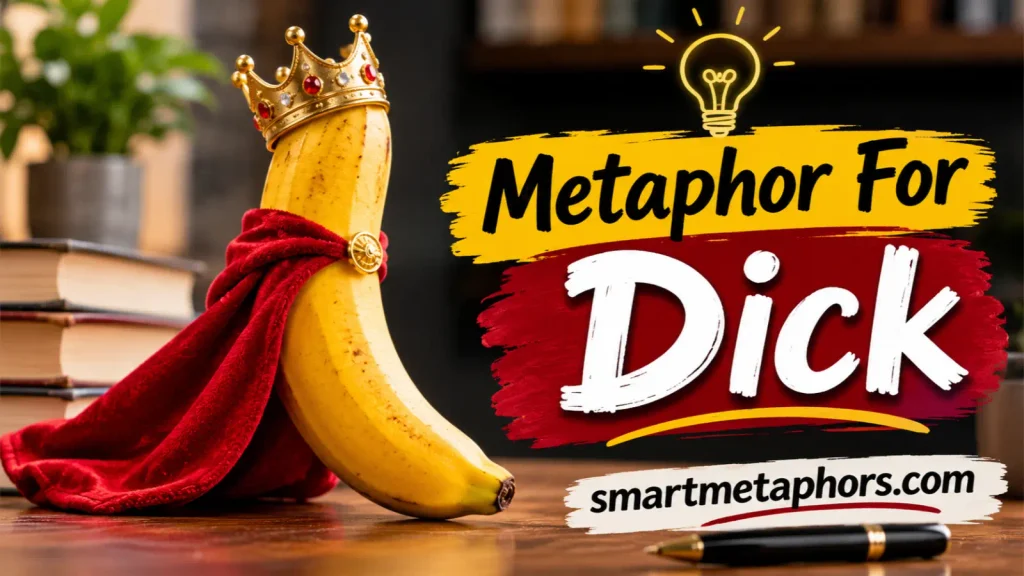
Finding a creative metaphor for dick can make writing more expressive, humorous, or imaginative. Instead of using direct anatomical language, writers often turn to symbolic comparisons, playful imagery, and indirect expressions to communicate meaning.
Whether you’re writing comedy, adult humor, romantic fiction, poetry, or casual conversations, metaphors offer different ways to describe male anatomy without sounding repetitive.
The right comparison can create humor, suggest confidence, add personality, or make an intimate description more subtle.
Key Takeaways
- Metaphors provide creative alternatives to direct anatomical descriptions.
- Different comparisons can communicate humor, masculinity, intimacy, or confidence.
- Symbolic imagery makes descriptions more memorable.
- Context and audience determine which metaphors are appropriate.
- Original comparisons are often more effective than familiar slang.
What Is a Metaphor?
Definition of a Metaphor
A metaphor is a figure of speech that describes one thing as another to create an imaginative comparison.
Example:
“He carried a hidden sword.”
The sword represents male anatomy through symbolic imagery rather than literal description.
Why Writers Use Metaphors
Writers use metaphors to:
- Make intimate descriptions less direct.
- Introduce humor into conversations.
- Create playful or suggestive language.
- Add creativity to fictional writing.
- Communicate ideas through symbolism.
Creative Metaphors for Dick
Funny and Playful Metaphors
A pocket rocket
Meaning: A playful comparison suggesting something small but energetic.
Best Use: Casual jokes and humorous writing.
Tone: Funny and playful
A one-man marching band
Meaning: A humorous way to suggest confidence and attention-seeking behavior.
Best Use: Comedy and adult humor.
Tone: Silly
The family baton
Meaning: A playful symbolic reference to male anatomy.
Best Use: Lighthearted conversations.
Tone: Humorous
A secret weapon
Meaning: Something hidden that is considered a source of confidence.
Best Use: Playful storytelling.
Tone: Cheeky
A stubborn rocket
Meaning: A humorous comparison suggesting unpredictable energy.
Best Use: Adult comedy.
Tone: Comical
Bold and Masculine Metaphors
A hidden sword
Meaning: Symbolizes masculinity and physical anatomy.
Best Use: Fiction and dramatic descriptions.
Tone: Bold
A warrior’s spear
Meaning: Represents strength and traditional masculine symbolism.
Best Use: Fantasy-inspired writing.
Tone: Dramatic
The captain’s baton
Meaning: A symbolic reference associated with control and authority.
Best Use: Humorous or suggestive writing.
Tone: Confident
A private cannon
Meaning: A playful comparison suggesting power.
Best Use: Adult comedy.
Tone: Exaggerated
A concealed dagger
Meaning: A subtle symbolic reference to male anatomy.
Best Use: Creative fiction.
Tone: Mysterious
Romantic and Suggestive Metaphors
A secret flame
Meaning: Represents private passion and intimacy.
Best Use: Romantic fiction.
Tone: Sensual
A hidden treasure
Meaning: Something private and personally valued.
Best Use: Playful romantic writing.
Tone: Affectionate
A sleeping volcano
Meaning: Suggests hidden passion or energy.
Best Use: Suggestive descriptions.
Tone: Dramatic
A private garden
Meaning: Uses nature imagery to suggest intimate anatomy.
Best Use: Romantic poetry.
Tone: Poetic
A forbidden rose
Meaning: Symbolizes intimacy, attraction, and desire.
Best Use: Romantic fiction.
Tone: Sensual
Nature-Inspired Metaphors
A growing branch
Meaning: A nature-based symbolic comparison.
Best Use: Playful creative writing.
Tone: Lighthearted
A little sapling
Meaning: A gentle and humorous comparison.
Best Use: Comedy.
Tone: Cute
A hidden root
Meaning: Represents something private and concealed.
Best Use: Poetic descriptions.
Tone: Subtle
A rising mountain
Meaning: Suggests physical prominence through natural imagery.
Best Use: Exaggerated humor.
Tone: Dramatic
A coiled serpent
Meaning: Represents masculine symbolism and concealed energy.
Best Use: Mythological or fantasy writing.
Tone: Mysterious
Short and Clever Metaphors
The private rocket
The family jewel
The hidden sword
The little commander
The secret engine
The pocket warrior
The personal baton
The bedroom hero
The private instrument
The hidden arrow
These short comparisons work well in jokes, casual writing, and playful conversations.
Metaphor vs Simile
What Is a Metaphor?
A metaphor directly compares two different things.
Example: “He was carrying a hidden sword.”
What Is a Simile?
A simile compares two things using “like” or “as.”
Example: “It was shaped like a hidden sword.”
Key Differences
| Metaphor | Simile |
|---|---|
| Uses direct comparison | Uses like or as |
| Creates symbolic meaning | Makes comparisons explicit |
| Often feels more imaginative | Often feels more descriptive |
How to Choose the Right Metaphor
Consider Your Audience
A humorous expression might work in comedy but feel inappropriate in formal writing.
Match the Tone
- Funny writing: Pocket rocket
- Romantic writing: Secret flame
- Fantasy writing: Warrior’s spear
- Poetic writing: Forbidden rose
- Subtle descriptions: Hidden treasure
Consider Your Context
Think about whether your writing is meant to entertain, suggest intimacy, create humor, or describe anatomy indirectly.
Expert Writing Tips
Create Original Comparisons
Use familiar objects in unexpected ways.
For example, instead of using a common comparison, try:
“A secret engine waiting beneath the surface.”
Avoid Repetitive Imagery
Using swords, rockets, and weapons repeatedly can make writing predictable. Explore nature, machinery, mythology, and everyday objects.
Keep the Meaning Clear
A metaphor should be creative without confusing readers.
Use Humor Carefully
Playful language works best when it fits the audience and situation.
Common Mistakes to Avoid
Using Overused Expressions
Common slang can make creative writing feel predictable.
Better approach: Develop fresh comparisons that fit your specific context.
Choosing the Wrong Tone
A funny metaphor may undermine a serious romantic scene.
Making Comparisons Too Complicated
Keep your imagery understandable.
Using Metaphors Without Context
A symbolic expression should make sense within the surrounding sentence.
Frequently Asked Questions
What is a metaphor for dick?
A metaphor for dick is an imaginative comparison used to describe the penis indirectly, such as “a hidden sword” or “a secret rocket.
What are some funny metaphors for dick?
Some playful expressions include pocket rocket, family baton, secret weapon, little commander, and bedroom hero.
What are some romantic metaphors for male anatomy?
Romantic metaphors include secret flame, hidden treasure, forbidden rose, and sleeping volcano.
How can I describe male anatomy creatively?
You can use symbolic comparisons involving nature, mythology, machinery, or familiar objects to create humorous, subtle, or poetic descriptions.
Is a metaphor different from slang?
Yes. Slang is informal vocabulary, while a metaphor is a figure of speech that creates meaning through comparison. A metaphor can contain slang, but they are not the same thing.
Conclusion
Using a creative metaphor for dick allows writers to describe male anatomy with humor, imagination, and personality. Whether you prefer playful expressions such as pocket rocket, bold imagery such as hidden sword, or romantic symbolism such as secret flame, the right metaphor depends on your audience and writing style.
The best metaphors combine originality, clear meaning, and an appropriate tone to make writing more expressive and memorable.

My Name is Alex Gard. I’m passionate about language, creative writing, and figurative expressions. Through SmartMetaphors, I help readers discover meaningful metaphors, similes, and literary devices to make their writing more engaging and impactful.